

BJJ & Wrestling Physical Therapy in Santa Ana & Tustin
Recover Stronger. Get Back to the Mats.
Injuries shouldn't keep you from training the sport you love.
At Motion IQ Physical Therapy, we provide personalized, one-on-one rehabilitation for BJJ athletes and wrestlers—helping you restore movement, rebuild strength, and progressively return to training.
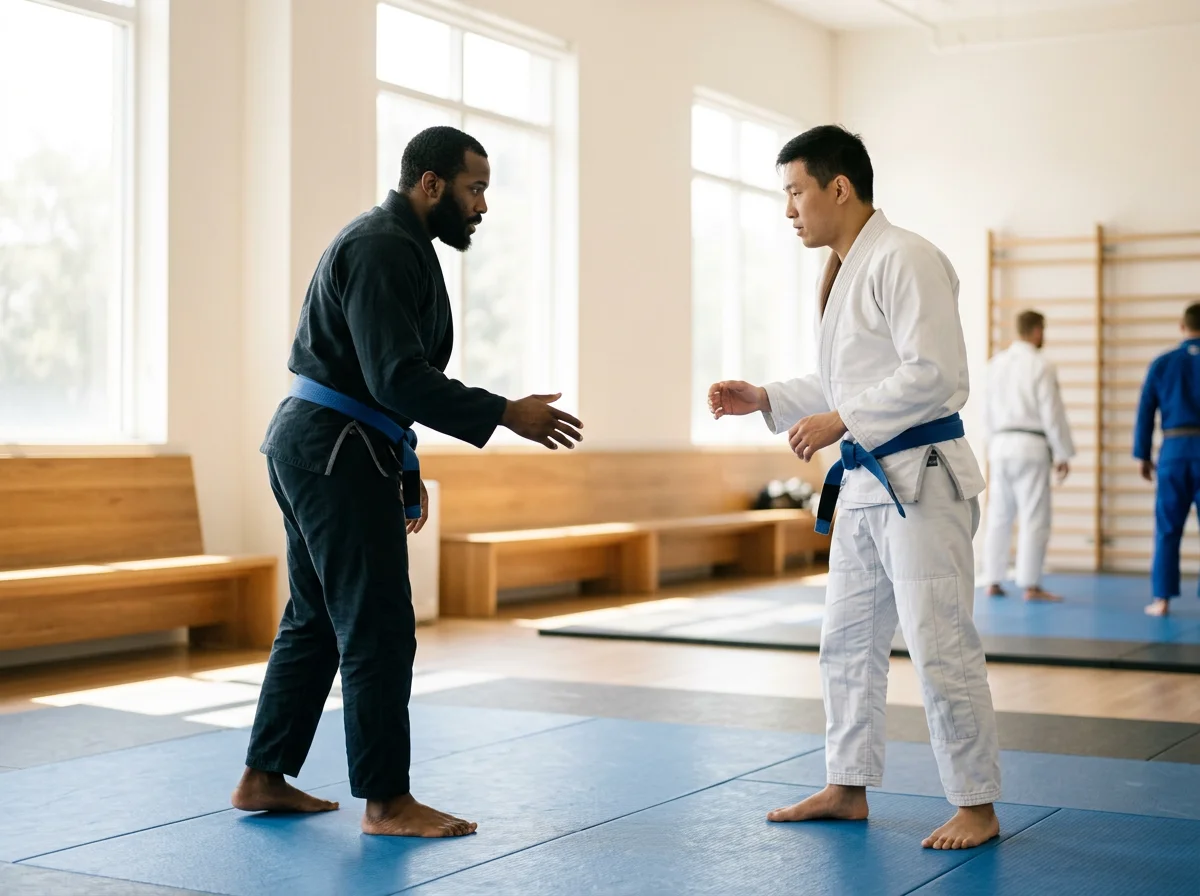
Injured? You Don't Have to Stop Being an Athlete.
BJJ and wrestling place unique demands on your body. Your rehabilitation should prepare you for those demands—not just everyday activities.
Pain During Training
An injury or recurring pain that makes drilling, rolling, wrestling, or competing difficult.
Loss of Strength
Difficulty producing or controlling force following an injury or time away from training.
Limited Mobility
Difficulty getting into positions you need for grappling because of pain, stiffness, or restricted movement.
Not Confident Returning
You're feeling better, but you're unsure whether your body is ready for live training again.
Physical Therapy Built for Grapplers
BJJ and wrestling aren't like most recreational activities. Your body has to tolerate pulling, pushing, twisting, posting, takedowns, awkward positions, and repeated high-intensity efforts against another person.
Your rehabilitation should reflect that. At Motion IQ, we evaluate your injury while also considering the movements and positions you need to perform on the mat.
Treatment may include:
Mobility & Manual Therapy
Address mobility limitations when they interfere with your recovery or ability to perform important movements.
Progressive Strengthening
Rebuild strength and progressively increase your body's ability to tolerate the demands of grappling.
Movement & Position-Specific Training
Rehabilitation can progress toward movements and positions relevant to BJJ or wrestling.
Return-to-Sport Progression
Gradually bridge the gap between rehabilitation exercises and drilling, positional training, live rounds, and competition.
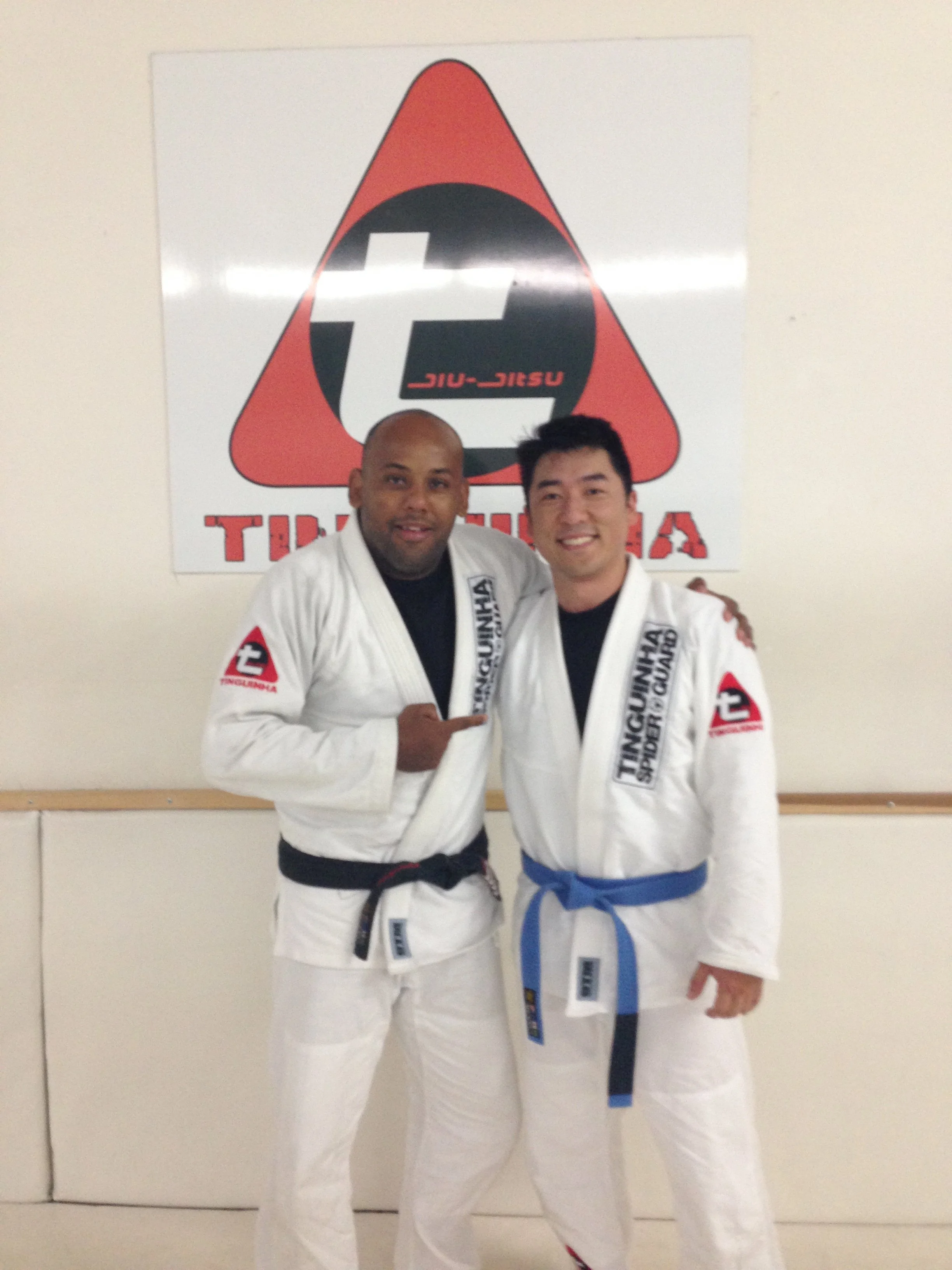
Rehab That Understands the Demands of Grappling
A rehabilitation program for a grappler should consider more than basic strength and range of motion.
Returning to BJJ or wrestling can require your body to tolerate:
Takedowns and shots
Posting and framing
Guard positions
Bridging and shrimping
Scrambling
Grip-intensive movements
Unpredictable resistance
Repeated high-intensity rounds
Your rehabilitation can progressively prepare you for these demands rather than stopping once everyday activities feel comfortable.
Common BJJ & Wrestling Injuries We Treat
Grappling can place significant demands on nearly every area of the body. We provide individualized rehabilitation based on your specific injury, symptoms, and training goals.
Neck Injuries
Neck strains, stiffness, and other neck-related symptoms can interfere with grappling positions, strength, and training tolerance.
Shoulder Injuries
Shoulder pain, instability, rotator cuff injuries, and post-surgical conditions can affect posting, framing, gripping, and upper-body control.
Elbow & Arm Injuries
Elbow and upper-extremity injuries may occur from training, overuse, or submission-related mechanisms and can interfere with gripping and upper-body movements.
Low Back Pain
Back pain can make wrestling, guard work, lifting, and other training positions difficult or uncomfortable.
Hip & Knee Injuries
Meniscus injuries, ACL injuries, hip pain, and other lower-extremity conditions can significantly affect takedowns, shots, scrambling, and ground positions.
Foot & Ankle Injuries
Ankle sprains and other foot or ankle injuries can limit standing, takedowns, wrestling, and the ability to push through the mat.
Frequently Asked Questions about BJJ and Wrestling
-
Physical therapy can help address mobility, strength, and functional limitations following many injuries. For grapplers, rehabilitation can progressively incorporate movements and demands relevant to BJJ as you prepare to return to training.
-
Not necessarily. Whether you can continue training depends on your injury, symptoms, and stage of recovery. In some situations, training can be modified rather than completely stopped. Your physical therapist can help determine appropriate activity based on your individual situation.
-
There isn't one timeline that applies to every injury. Return to live training depends on factors such as healing, symptoms, mobility, strength, functional ability, and the demands of your sport.
-
Yes. Many of the physical demands of wrestling and BJJ overlap, including takedowns, grappling, scrambling, pushing, pulling, and high-intensity movement. Rehabilitation is individualized to your injury and specific sport.
-
40-Minute Sessions
Dedicated treatment time focused on your individual recovery.
One-on-One Care
Work directly with a licensed physical therapist throughout your treatment session.
Physical Therapist with Grappling Knowledge
Get treatment from someone who has experience training in wrestling and BJJ.
Ready to Get Back to the Mats?
Don't let an injury keep you from the sport you love.
Get personalized, one-on-one physical therapy designed to help you rebuild strength, restore movement, and progressively return to BJJ or wrestling.