

Hip Pain Physical Therapy in Santa Ana & Tustin
Move Better. Get Back to What You Love.
Hip pain can make walking, exercising, sitting, climbing stairs, and even everyday activities uncomfortable.
At Motion IQ Physical Therapy, we provide personalized, one-on-one treatment to help reduce pain, restore mobility, rebuild strength, and get you back to the activities you enjoy.
Is Hip Pain Holding You Back?
Hip pain can affect everything from getting out of a chair to running, lifting, and playing sports. Understanding which movements and activities aggravate your symptoms helps us build a treatment plan around what you want to get back to doing.
Pain With Walking
Hip or groin discomfort that makes walking, standing, or climbing stairs difficult.
Pain With Running & Sports
Hip discomfort that limits running, BJJ, recreational sports, or other athletic activities.
Pain With Squatting & Lifting
Symptoms during squats, lunges, lifting, or other lower-body movements.
Stiffness & Limited Mobility
Difficulty moving your hip comfortably during everyday activities or exercise.
How Physical Therapy Helps Hip Pain
At Motion IQ Physical Therapy, we take an individualized approach to hip rehabilitation.
Your physical therapist will evaluate your hip mobility, strength, symptoms, movement, and activity demands to better understand what may be contributing to your limitations.
Manual Therapy
Hands-on techniques may be used to address mobility restrictions and help make movement more comfortable.
Mobility Exercises
Individualized exercises can help improve hip mobility when stiffness or restricted movement is contributing to your limitations.
Progressive Strengthening
We progressively strengthen the hips and surrounding muscles to improve your ability to walk, squat, lift, run, and participate in everyday activities.
Movement & Activity Progression
As you improve, rehabilitation becomes increasingly specific to the activities you want to return to—from everyday movement to lifting, running, sports, or BJJ.
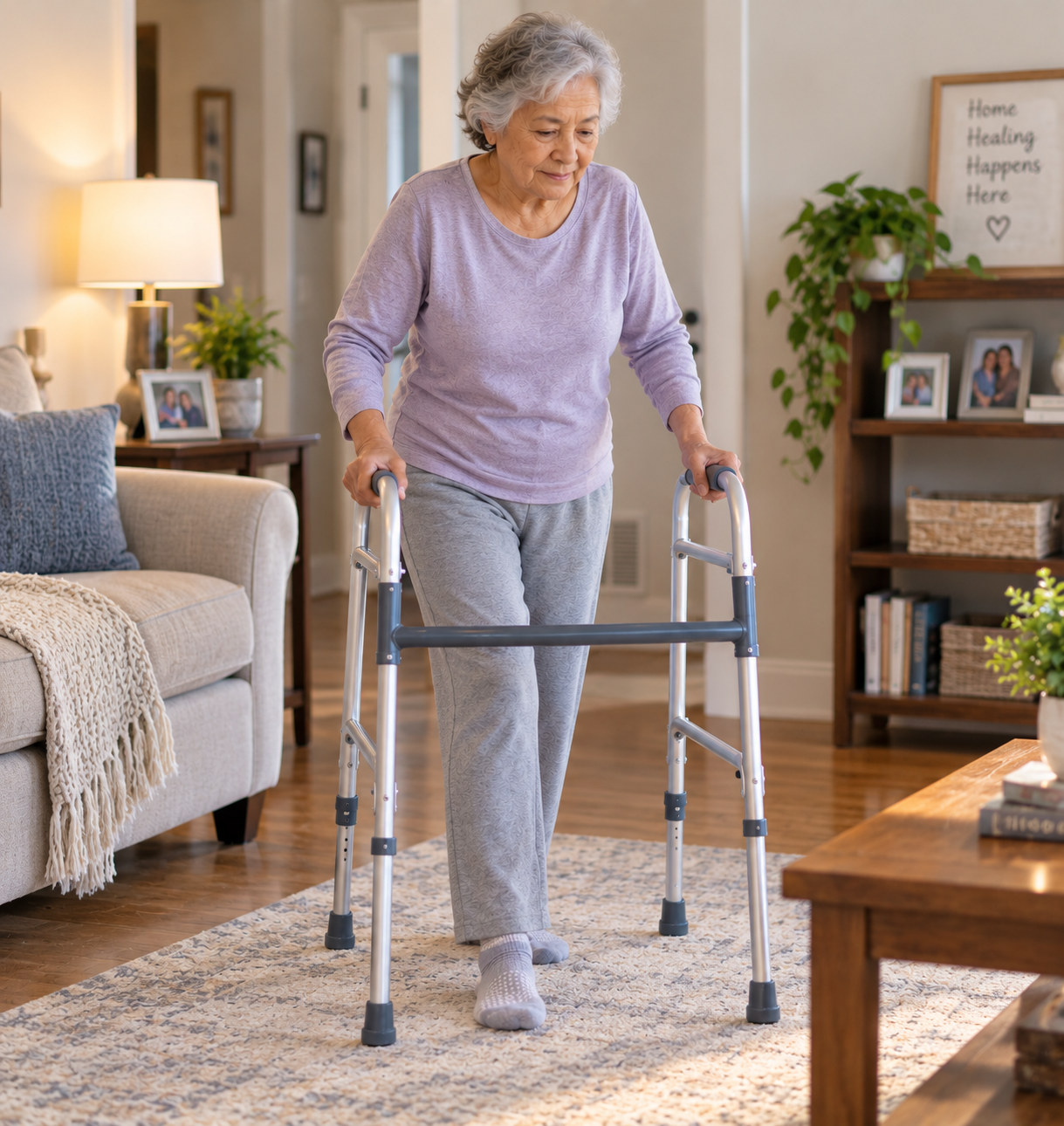
Hip Conditions We Treat
Hip pain can develop from a variety of injuries and conditions. Your treatment plan is based on your individual symptoms, movement limitations, activity demands, and goals.
Hip Impingement / FAI
Femoroacetabular impingement can be associated with groin or hip pain during movements such as deep squatting, sitting, or certain athletic activities.
Hip Labral Injuries
Labral conditions may contribute to pain, clicking, catching, or discomfort during certain hip movements. Rehabilitation may focus on mobility, strength, movement tolerance, and return to activity.
Gluteal Tendinopathy & Lateral Hip Pain
Pain around the outside of the hip may involve the gluteal tendons and surrounding structures. Progressive strengthening and activity modification can be important components of rehabilitation.
Hip Flexor & Muscle Strains
Muscular injuries around the hip may occur during running, sports, lifting, or other physical activities. Rehabilitation gradually restores strength and tolerance to activity.
Hip Osteoarthritis
Physical therapy may help people with hip osteoarthritis improve mobility, strength, and their ability to perform everyday activities.
Post-Surgical Hip Rehabilitation
Following procedures such as hip arthroscopy or hip replacement, rehabilitation progresses according to your surgeon's precautions, healing timeline, and individual goals.
Frequently Asked Questions About Hip Pain
-
Physical therapy can help many people with hip pain by addressing mobility, strength, activity tolerance, and other factors associated with their symptoms. Treatment is individualized based on your evaluation and goals.
-
Physical therapy may be appropriate for some people with femoroacetabular impingement. Rehabilitation may focus on improving strength, modifying aggravating movements when appropriate, and gradually increasing tolerance to desired activities.
-
Not everyone with hip pain requires imaging before beginning physical therapy. Your physical therapist can evaluate your symptoms and determine whether physical therapy is appropriate or whether additional medical evaluation may be warranted.
-
Recovery time varies depending on the condition, severity and duration of symptoms, surgical history, activity goals, and response to treatment. Your physical therapist will monitor your progress and adjust your program accordingly.
-
40-Minute Sessions
Dedicated treatment time focused on your individual recovery.
One-on-One Care
Work directly with a licensed physical therapist throughout your treatment session.
Ready to Get Back to What You Love?
Don't let hip pain keep you from walking, exercising, playing sports, or living an active life.
Get personalized, one-on-one physical therapy designed to help you move better, build strength, and return to the activities that matter to you.