
Low Back Pain & Sciatica Physical Therapy in Santa Ana & Tustin
Physical Therapy for Low Back Pain
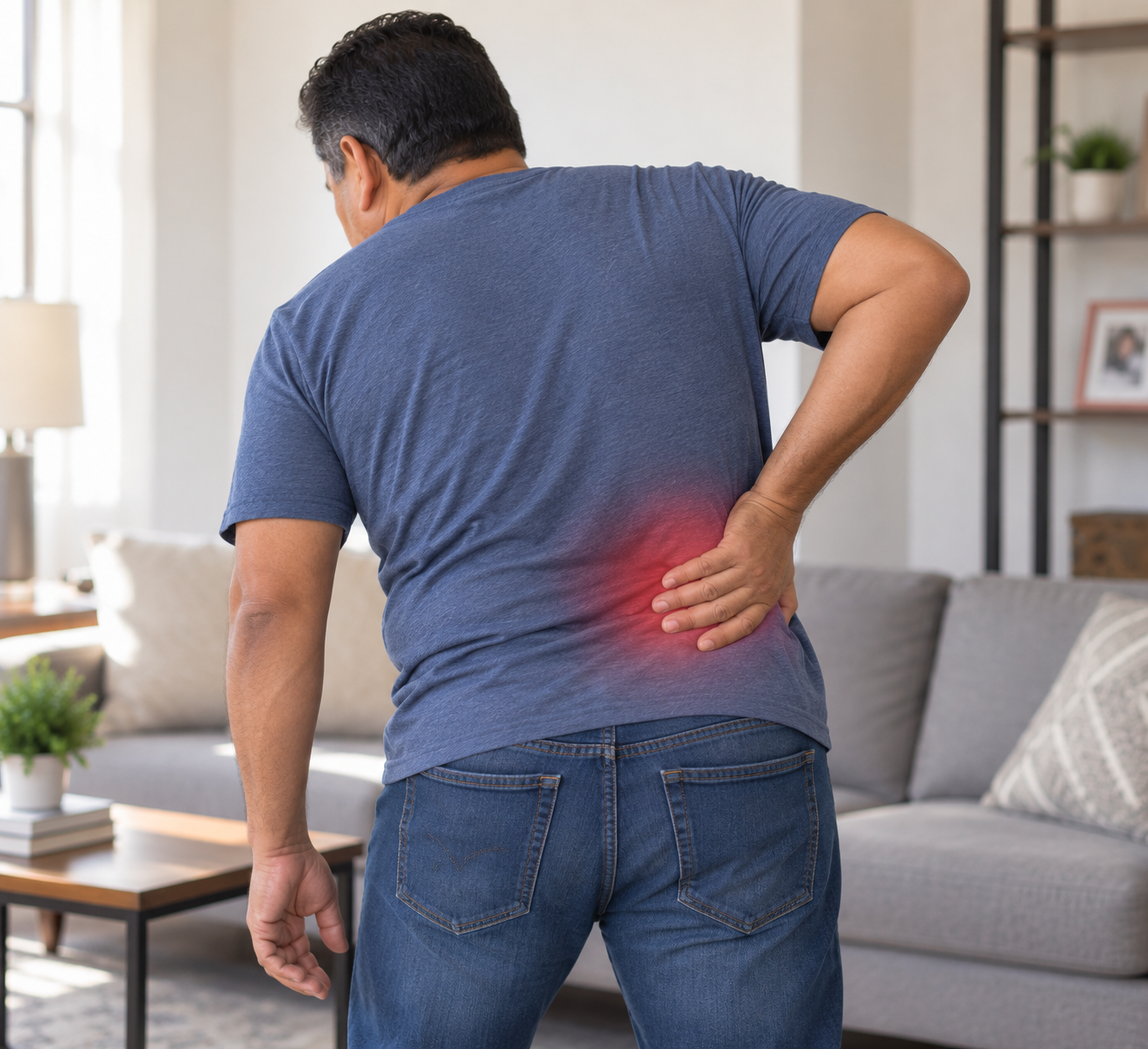
Low back pain can make everyday activities such as sitting, standing, walking, working, and exercising difficult. Whether your symptoms developed gradually, started after an injury, or are related to surgery, physical therapy can help reduce pain, restore movement, and improve your ability to return to the activities you enjoy.
How Physical Therapy Helps Low Back Pain
Treatment begins with a comprehensive evaluation to identify factors that may be contributing to your symptoms. Your physical therapist will assess your mobility, strength, posture, movement patterns, and functional limitations to develop an individualized treatment plan.
Depending on your condition, treatment may include:
Manual Therapy: Hands-on techniques to improve joint and soft tissue mobility, decrease stiffness, and improve movement.
Therapeutic Exercise: Personalized exercises to improve core strength, flexibility, spinal mobility, and overall stability.
Movement & Posture Training: Guidance on proper lifting, sitting, standing, and movement mechanics to reduce unnecessary stress on the lower back.
Pain Management: Treatment strategies and activity modifications designed to help reduce pain and allow you to move more comfortably.
Functional & Strength Training: Progressive exercises to help you safely return to work, exercise, sports, and everyday activities.
How Physical Therapy Helps with Sciatica
Sciatica commonly involves pain that travels from the lower back or buttock into the leg and may be accompanied by numbness, tingling, or weakness. Physical therapy treatment focuses on identifying movements and positions that affect symptoms while improving spinal mobility, strength, and overall function.
Treatment begins with a comprehensive evaluation of your spinal mobility, strength, flexibility, posture, nerve mobility, and movement patterns. Based on your specific condition, treatment may include manual therapy, therapeutic exercise, core stabilization, stretching, nerve mobility exercises, and functional movement training.
For conditions such as disc herniations, spinal stenosis, and sciatica, exercises are selected based on how your symptoms respond to different movements and positions. Your physical therapist may also address hip and lower-body strength, lifting mechanics, sitting posture, and other factors that place stress on the lower back.
Our goal is to reduce pain, restore movement, improve strength, and help you return to the activities that are important to you, while providing strategies to better manage your low back health and reduce the likelihood of recurring symptoms.
Treatment After Low Back Surgery
Physical therapy can also help patients recover after procedures such as lumbar fusion, discectomy, and laminectomy. Post-operative rehabilitation is progressed according to your surgeon's guidelines and may focus on restoring mobility, rebuilding core and lower-body strength, improving endurance, and safely returning to work, exercise, and everyday activities.
Our goal is not only to help relieve your low back pain, but also to address contributing factors and give you the tools to maintain your progress and move with greater confidence.